
There is no useful single price for custom pickleball team shirts before the specification is defined. Quantity, fabric, construction, decoration, personalization and delivery all move the unit and landed cost. This article shows what a comparable quote should contain.
What Sets the Price of Custom Pickleball Team Shirts
Before we talk numbers at all, you need to understand the levers, because they interact. A cheap shirt at high quantity can cost less than a premium shirt at low quantity.
Quantity. Custom apparel has fixed setup work, including artwork preparation, sample development and machine setup, that gets spread across the run. Suitable fully sublimated shirts at AX Pickleball can start from 50 pieces per design. Most polos, skirts, shorts and other cut-and-sew categories start from 100 pieces per style, subject to the material and construction.
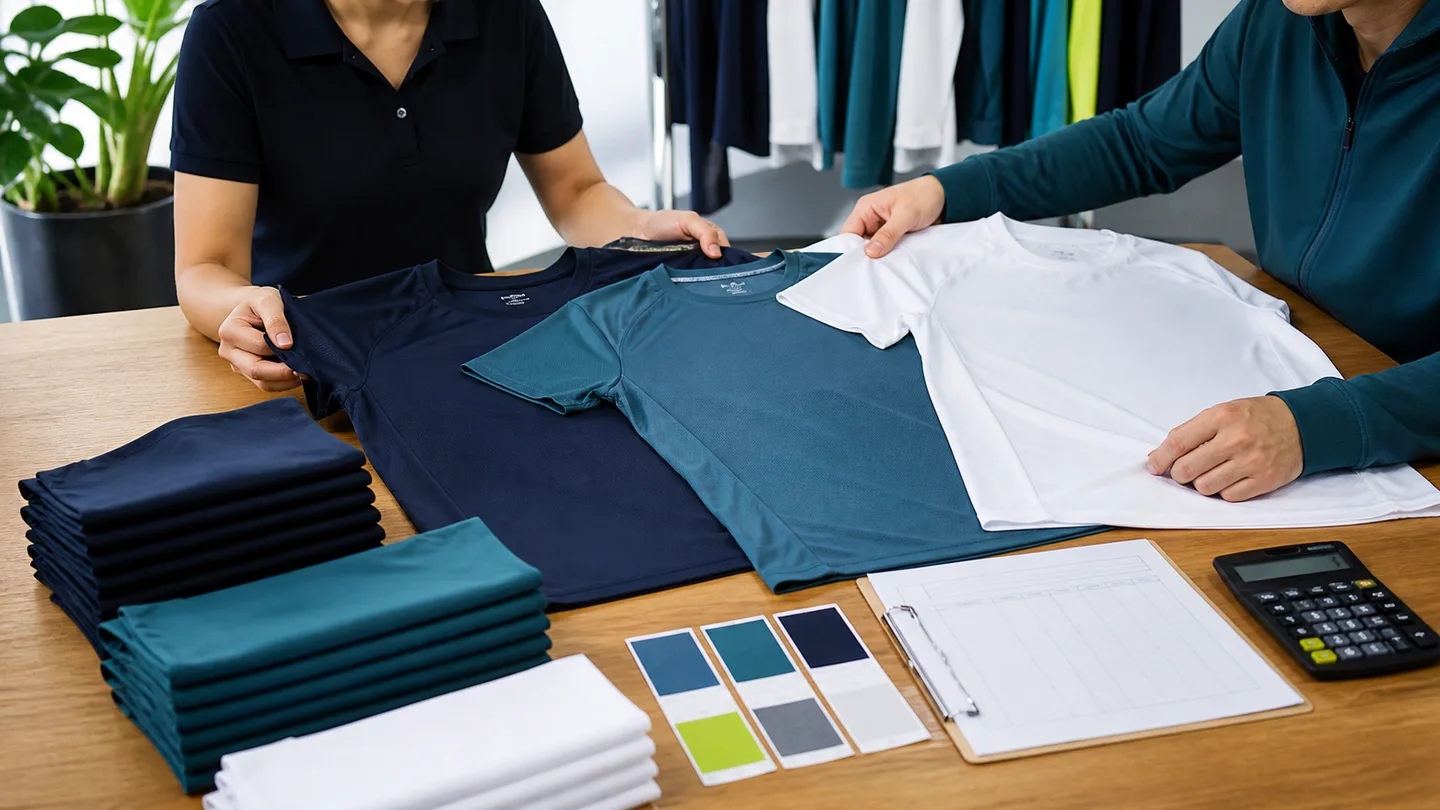
Fabric. Performance polyester (what sublimation jerseys are made from) comes in grades. A basic lightweight poly is the entry point. A heavier, softer, or stretchier knit with spandex blended in costs more but feels better and lasts longer. There are also moisture-wicking treatments and UPF-rated fabrics that add to the cost. The fabric choice alone can swing the shirt price noticeably.
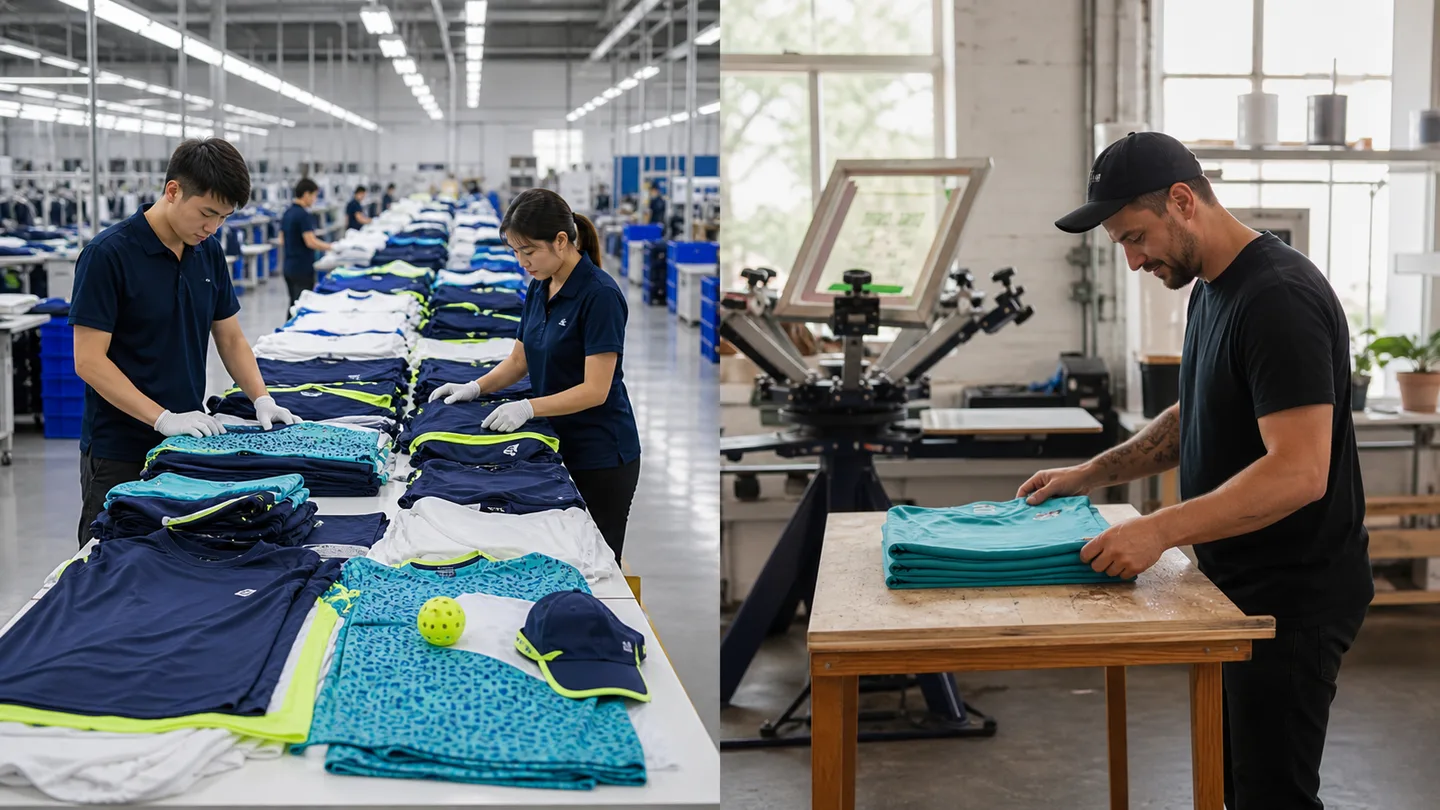
Decoration method. Sublimation, screen print, and heat-transfer vinyl all cost differently to set up and run. Sublimation has a setup step (printing transfer paper) but then no per-color charges – a full-color design prints in one pass. Screen print charges per color per location. Vinyl is cheap to set up but labor-heavy per shirt. For team jerseys with all-over or multi-color designs, sublimation usually comes out ahead at volume.
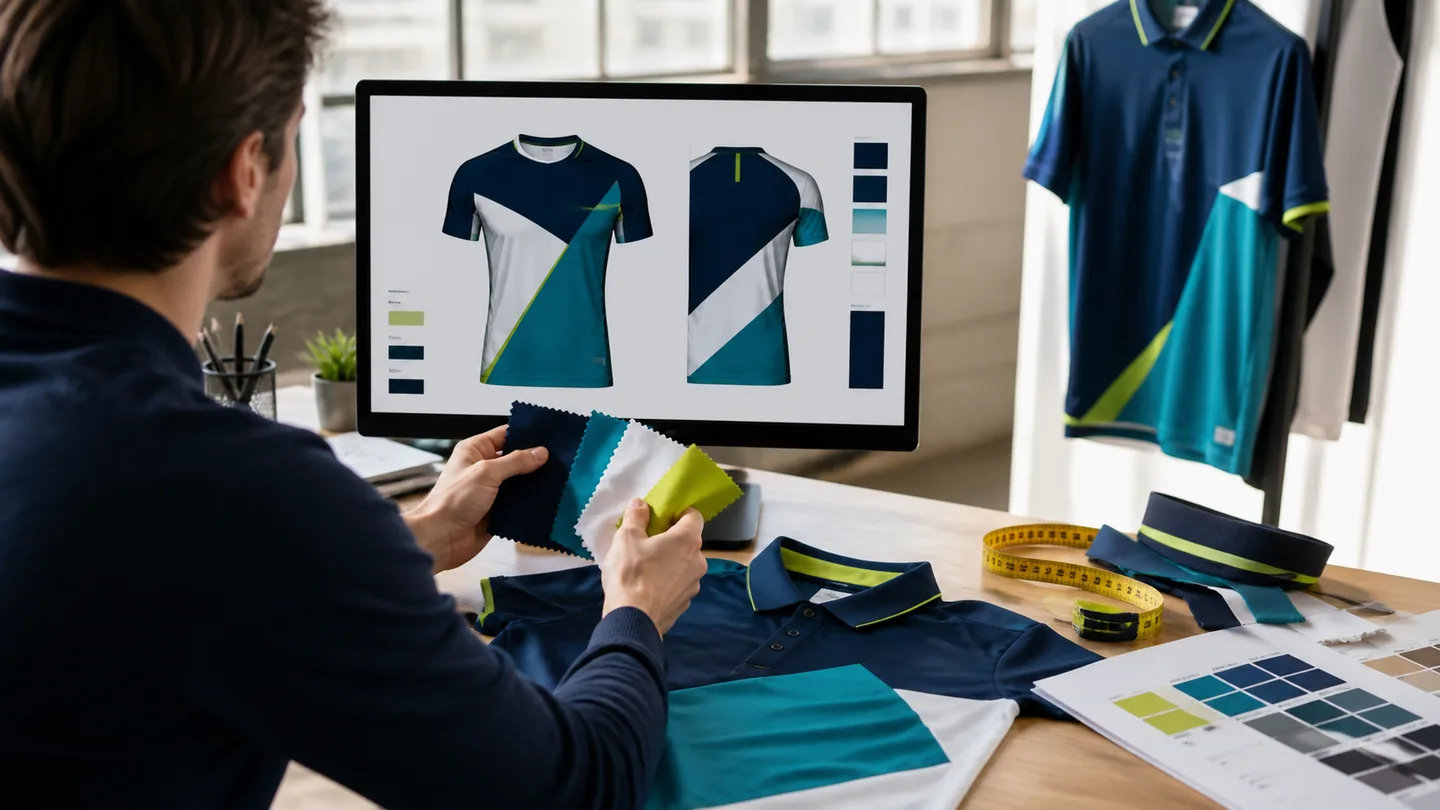
Design complexity and print locations. More colors and more print locations (front, back, sleeves, collar, side panels) add cost in screen printing and add setup time everywhere. With sublimation the number of colors is mostly irrelevant, but a full-bleed all-over print still uses more paper and more press time than a simple chest logo.
Why a Published Price Table Can Mislead You
A useful price comparison needs a locked specification. A range published without fabric weight, garment construction, quantity, player personalization, sample requirements, packaging, shipping method and destination can create false confidence rather than a usable budget.
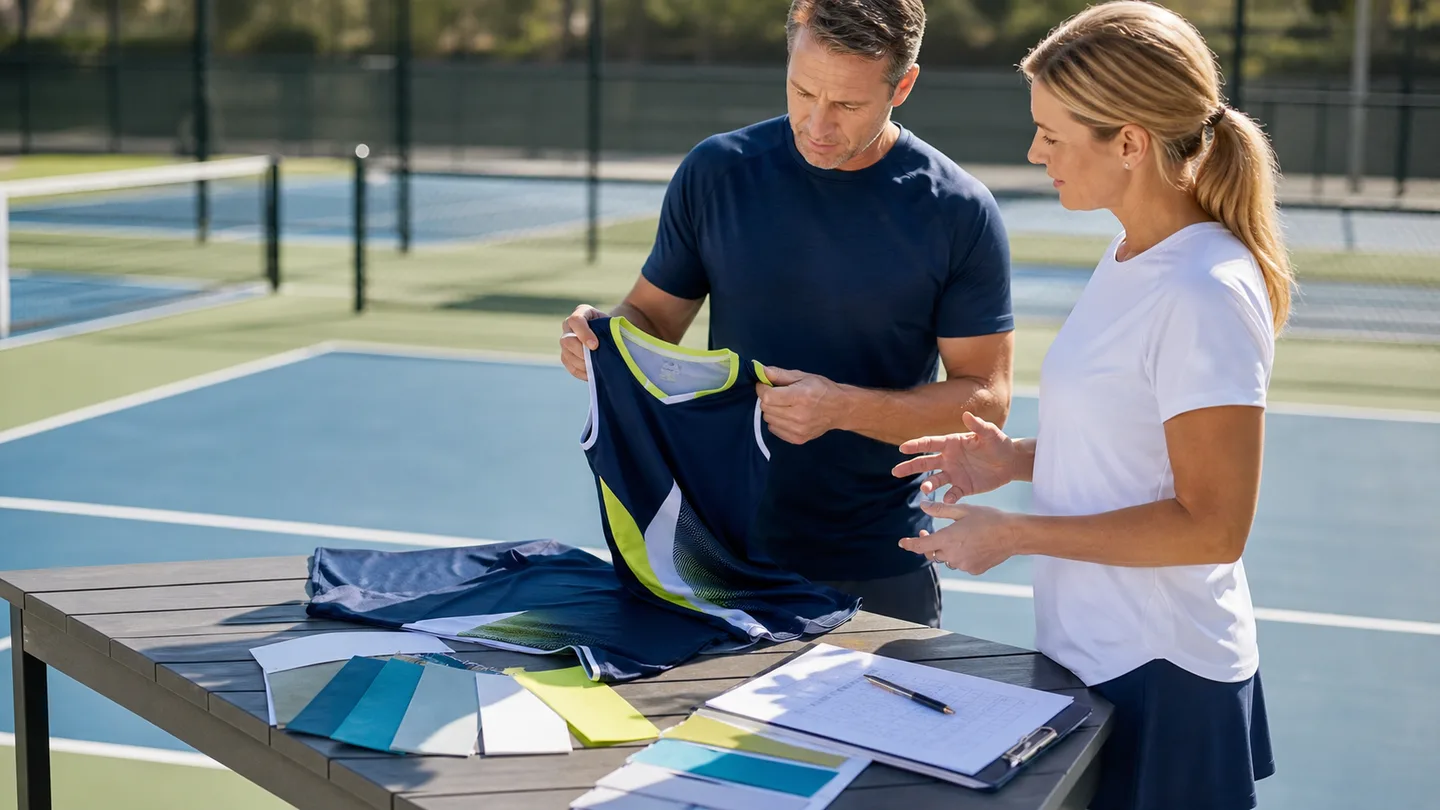
Ask every supplier to quote the same specification. For a sublimated team shirt, that means the same fabric, size range, collar, artwork coverage, names and numbers, quantity, packaging and destination. For a decorated stock shirt, match the blank, ink system, colors and print locations.
The quote should also separate any artwork cleanup, pre-production sample, labeling, packaging, freight, duties or rush service that applies. A transparent line-item structure makes two suppliers easier to compare and shows which decisions will change the total.
Why Per-Shirt Cost Isn’t the Whole Number
Budget the total landed cost, not the sticker price per shirt. Two suppliers can quote the same per-shirt price and land at very different totals once freight, setup, and sample costs are added. A local shop might quote a higher per-shirt price but zero freight; an overseas factory might quote low per-shirt but high freight and a longer lead time. Neither is automatically the better deal – it depends on your quantity and deadline.
Also think about cost per usable shirt. A wrong size mix, off-target color or misplaced logo can erase the apparent saving in a low unit price. Ask how the supplier handles pre-production approval, bulk inspection, corrective action and repeat-order records.
Quality Elements Behind the Price
When a factory quote comes back higher than you expected, it’s usually because of something you can’t see in a photo, and it’s worth knowing what those things are so you can decide whether you care about them.
Fabric grade. Two shirts can both be “polyester” and feel nothing alike. A lighter, cheaper knit saves money up front but bags out and pills faster, especially with weekly washing through a season. A heavier knit with a bit of spandex costs more and survives longer. For a team that plays hard and washes often, the pricier fabric is usually the better value – it just costs more at checkout.
Stitching and construction. This shows up in the seams, the collar, and the hem. A shirt that’s cut sloppily or stitched with loose tension looks fine folded in a box and wrong the moment someone wears it. You’re not going to inspect stitching in a product photo, which is why the factory’s track record matters more than the mockup.
Print durability, again. We covered this in the sublimation article, but it belongs here too: the difference between a print that lasts three seasons and one that fades by August is ink quality and press calibration, and neither shows in a picture. A cheap quote often skimps exactly here.
None of this means “always buy the expensive option.” It means price is only useful when you know what you’re comparing. Ask the factory to tell you what fabric they’d recommend for your use case and why, and if a quote is dramatically lower than everyone else’s, ask what it’s trading away.
How to Lower the Cost Without Cutting Quality
There are honest ways to bring the price down that don’t involve buying a worse shirt.
Order a season’s worth at once. Buying 100 shirts for two teams costs less per shirt than two separate orders of 50, because you spread the setup once and hit a better quantity tier. If your club has multiple teams or a spring and fall season, consolidate.
Lock the design and plan reorders. A confirmed design and production specification can reduce repeated development work, but fabric availability, quantity and freight still affect every reorder. Ask how long the supplier keeps artwork, color targets and sample records.
Simplify, but only where it doesn’t matter. A full-bleed all-over print is great, but if a front-and-back design with a clean base color gets you 90% of the look for less, consider it. With sublimation the color count doesn’t add cost, so this is more about press time and paper than colors.
Get the size mix right the first time. Misjudging sizes means reorders at low quantity, which are the most expensive per-shirt purchases you’ll make. Take real measurements, not guesses.
What to Ask for in a Quote
When you reach out to a factory, give them enough to quote accurately, and make them show their work. Send: quantity (with your best guess at size breakdown), fabric preference or “recommend something for hot-weather play,” the design or a description of it, and your deadline. Then ask for a line-item quote that breaks out shirt cost, decoration/setup, samples, and freight. If they won’t itemize, that’s a flag.
Confirm the quote’s currency, validity period, payment terms, shipping basis and destination. Ask which taxes, duties or local delivery charges remain outside the supplier’s total. These details prevent a low headline number from becoming a higher landed cost after the order is approved.
Treat the sample as part of risk control. Confirm its cost and timing, then compare that small development step with the risk of approving bulk production from a screen mockup alone.
The cost of custom pickleball team shirts depends on quantity, fabric, construction, decoration, personalization, sampling, packaging and delivery. Review custom pickleball shirts and team jerseys, then contact AX Pickleball with a quantity, size range, rough design and destination to request an itemized quote.